
Difríochtaí idir Tinte Eatánóil Láimhe Agus Tinte Eatánóil Uathoibríoch
Is féidir leis a bheith scanrúil an teallach foirfe bitheatánóil a roghnú as an raon leathan samhlacha agus cineálacha dóire atá ar fáil. Mar sin féin, a thuiscint cad iad na difríochtaí idir teallach eatánóil láimhe agus teallach uathoibríoch eatánóil is féidir cabhrú leat cinneadh eolasach a dhéanamh.
Is iad na príomhchodarsnachtaí ná a gcuid meicníochtaí oibriúcháin agus rialaithe. Teastaíonn idirghabháil láimhe chun breosla a líonadh le teallach bitheatánóil láimhe, adhainte, rialú lasair, agus múchta, leis an úsáideoir go pearsanta monatóireacht a dhéanamh ar an bpróiseas. Ar an láimh eile, ionchorpraíonn teallach uathoibríoch eatánóil rialuithe leictreonacha, mar líonadh breosla pumpáilte, adhainte uathoibríoch, déine lasair inchoigeartaithe agus roghanna múchta leictreonacha, áisiúlacht agus gnéithe sábháilteachta breise a sholáthar. Déanaimis iniúchadh níos doimhne ar a n-idirdhealú chun cabhrú leat an rogha ceart a dhéanamh do do chuid riachtanas.
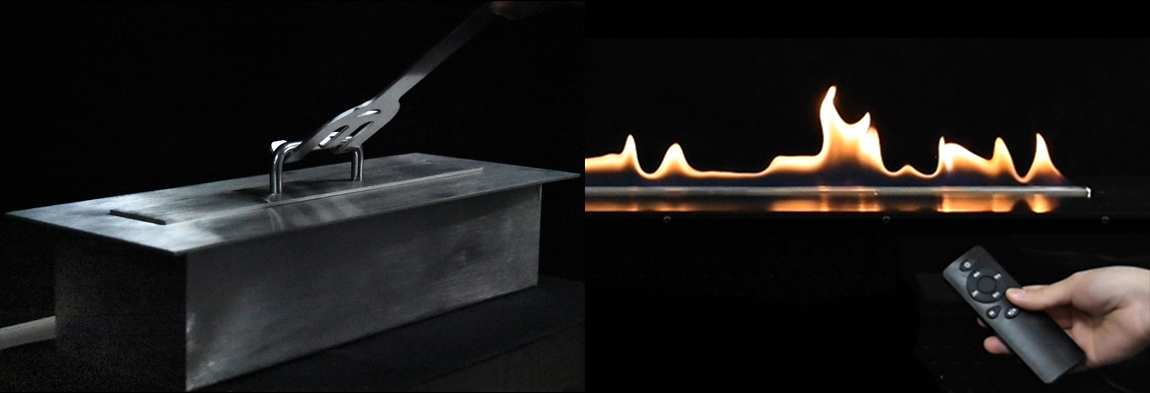
Is céim suas iad dóirí eatánóil uathoibríoch ó dóirí eatánóil láimhe. Is féidir dóirí eatánóil uathoibríocha a oibriú le cianrialtán, painéal rialaithe nó fiú do ghuthán cliste agus córas baile cliste. Tá na dóirí bitheatánóil cianrialaithe seo níos sábháilte freisin a bhuíochas do go leor braiteoirí sábháilteachta a dhéanann maoirseacht ar a gcuid oibre.
Is coimeádán cruach dhosmálta é cuir isteach teallach eatánóil láimhe atá líonta le breosla bitheatánóil. To start the fireplace, ní mór duit lastóir fada a úsáid chun an breosla a adhaint. Is é an pointe go gcaithfidh tú na lasracha a choigeartú de láimh agus an tine a mhúchadh ar an mbealach céanna.
Teallaigh bitheatánóil le feiceáil den chéad uair i 2005. Mar gheall ar thabhairt isteach na dtinte bitheatánóil bhíothas in ann teallach a chur beagnach i ngach áit agus gan aon aeráil, flue, deatach, súiche nó cothabháil costasach. Since then, tá forbairt tagtha ar an teicneolaíocht agus ar an tslándáil, agus inniu tá dhá chineál tinte bitheatánóil againn: Dóirí bitheatánóil láimhe agus Uathoibríoch.
Tá buntáistí agus míbhuntáistí ag an dá chineál seo. Hence, an cineál dóire a roghnaíonn tú, ag brath ar na riachtanais atá agat do do teallach, where it will be used, and what your budget is.
Cé nach bhfuil ach dhá chineál dóirí bitheatánóil ann, is féidir leis na táirgí ó mhonaróirí éagsúla a bheith éagsúil agus éagsúlachtaí a thairiscint sa chaoi a n-oibríonn a dóirí. For this reason, ní bheidh san eolas a gheobhaidh tú sa treoir seo ach táscach. Más mian leat cur síos níos cruinne ar bhiththeallach agus dóirí gach déantóra, ba cheart duit an leathanach táirge sonrach a sheiceáil agus an lámhleabhar atá nasctha ar an leathanach a léamh.
Is féidir leat ár dóirí bitheatánóil uathoibríocha nó láimhe go léir a fháil anseo:
Tinte Bitheatánóil le Dóire Bitheatánóil de láimh
Lámhleabhar dóire bitheatánóil, is coimeádán cruach déanta as cruach dhosmálta, a líonann tú le bitheatánól. Tá oscailt ag an dóire, is féidir a bheith cruinn nó fada, ag brath ar chruth an dóire. Déantar an lasair a adhaint le níos éadroime agus múchtar é tríd an tine a smothering. Is é an dóire láimhe an ceann is mó aitheanta, agus dá bhrí sin, tá sé le feiceáil i bhformhór na dtinte bitheatánóil, go háirithe i dtinte bitheatánóil atá suite ar an mballa agus a sheasann leo.
Chun sábháilteacht dóirí bitheatánóil láimhe a mhéadú, bhí ar beagnach gach monaróir modh a aimsiú chun an bitheatánól a dhoirteadh amach as an dóire a sheachaint dá dtitfeadh sé nó dá dtarlódh sé. Is é an modh is coitianta ná úsáid a bhaint as cadás snáithíní criadóireachta sa dóire. Tá sé seo deartha chun an breosla bitheatánóil a ionsú, agus fágann sé sin go bhfuil sé dodhéanta an breosla bitheatánóil a dhoirteadh amach as an dóire dá dtarlódh sé trí thimpiste.
Buntáistí a Lámhleabhar dóire bitheatánóil
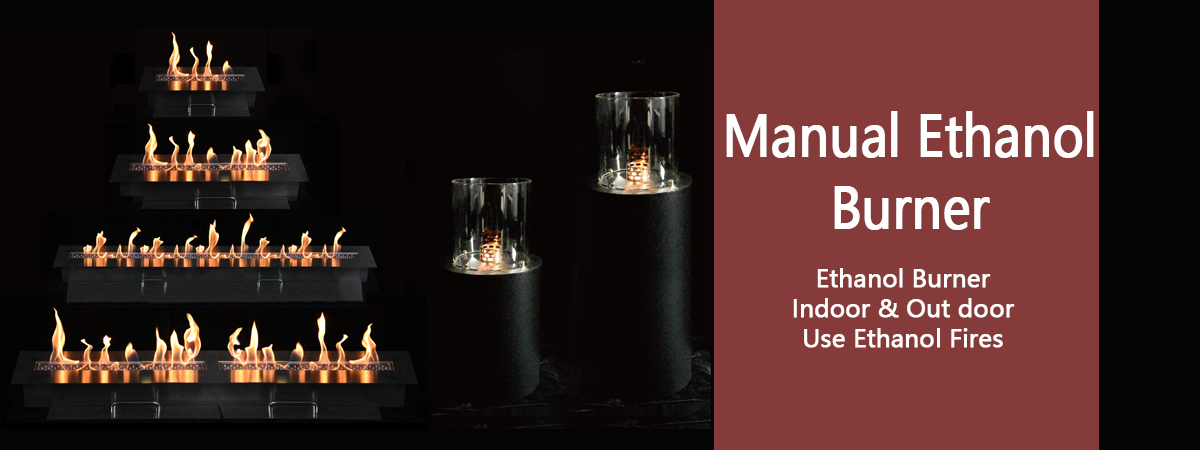
1. Níl aon chumhacht nó cáblaí ag teastáil agus is féidir é a shuiteáil i ngach áit
Is féidir dóirí bitheatánóil láimhe agus teallaigh a shuiteáil agus a chur faoi shaoirse, toisc nach dteastaíonn aon chumhacht nó nasc cábla eile uathu, agus ní gá simléar, vent nó múchán. Is é an t-aon fhachtóir atá le breithniú ná an méid a theastaíonn uait a bheith ag an dóire.
Mar sin féin, leat, ar ndóigh, fós ní mór a bheith ar an eolas faoi ghuaiseacha ginearálta dóiteáin agus faoi achair sábháilteachta. Is féidir leat léamh faoi achair sábháilteachta inár dtreoir ar an ábhar.
2. Tá dóirí bitheatánóil láimhe saor
Tá tinte bitheatánóil ann le roinnt blianta anuas, leis na monaróirí go leanúnach ag uasmhéadú na gcostas táirgthe. Ina theannta sin, ní éilíonn na dóirí láimhe aon teicneolaíocht dhigiteach, agus ciallaíonn sé seo go bhfuil praghsanna na dtinteán bith láimhe íseal go leor ag an bpointe seo.
Míbhuntáistí Teallach Bitheatánóil Lámhleabhar
1. Oibrítear de láimh
Is é an míbhuntáiste is soiléire den teallach bitheatánóil láimhe ná an rialú láimhe. Ciallaíonn sé go gcaithfidh tú a bheith gar don lasair chun an dóire a athrú nó a chur air agus as. Dá bhrí sin, níor cheart do leanaí tine bitheatánóil láimhe a oibriú.
2. Níos lú cosaintí
Cé go bhfuil na dóirí láimhe breá sábháilte nuair a leanann tú na treoracha agus nuair a úsáideann tú tuiscint choiteann, tá braiteoirí sábháilteachta breise ag na tinte bitheatánóil uathoibríoch nach bhfuil ag na cinn láimhe. Níl na braiteoirí seo ar fáil nuair a bhíonn biththine láimhe in úsáid.
Teallach Bitheatánóil le Dóire Bitheatánóil Uathoibríoch
Éilíonn dóirí bitheatánóil uathoibríoch, díreach cosúil leis na dóirí láimhe, breosla bitheatánóil le feidhmiú. Mar sin féin, is é seo an t-aon fhíorchosúlacht eatarthu.
Tá tinte bitheatánóil le dóirí uathoibríocha i bhfad níos teicniúla. Ag brath ar an tsamhail agus an monaróir roghnaithe, is féidir leat iad a rialú le cianrialtán, trí phainéal rialaithe, aip, córas baile nó Wi-Fi.
Le haghaidh dóirí uathoibríoch, líontar an bitheatánól isteach i ndabhach breosla seachtrach. As sin, déantar é a phumpáil suas sa dóire lena loscadh nuair a chuirtear ar siúl é. Le dóirí láimhe, ní gá duit ach an breosla bitheatánóil a dhoirteadh go díreach isteach san oscailt dóire.
Is minic a fheictear an dóire uathoibríoch i dtinte bitheatánóil ionsuite agus úsáidtear é le haghaidh tógála nua, athchóiriú níos mó nó dearadh intí.
Buntáistí an Dóire Eatánóil Uathoibríoch
1. Éasca an lasair a rialú
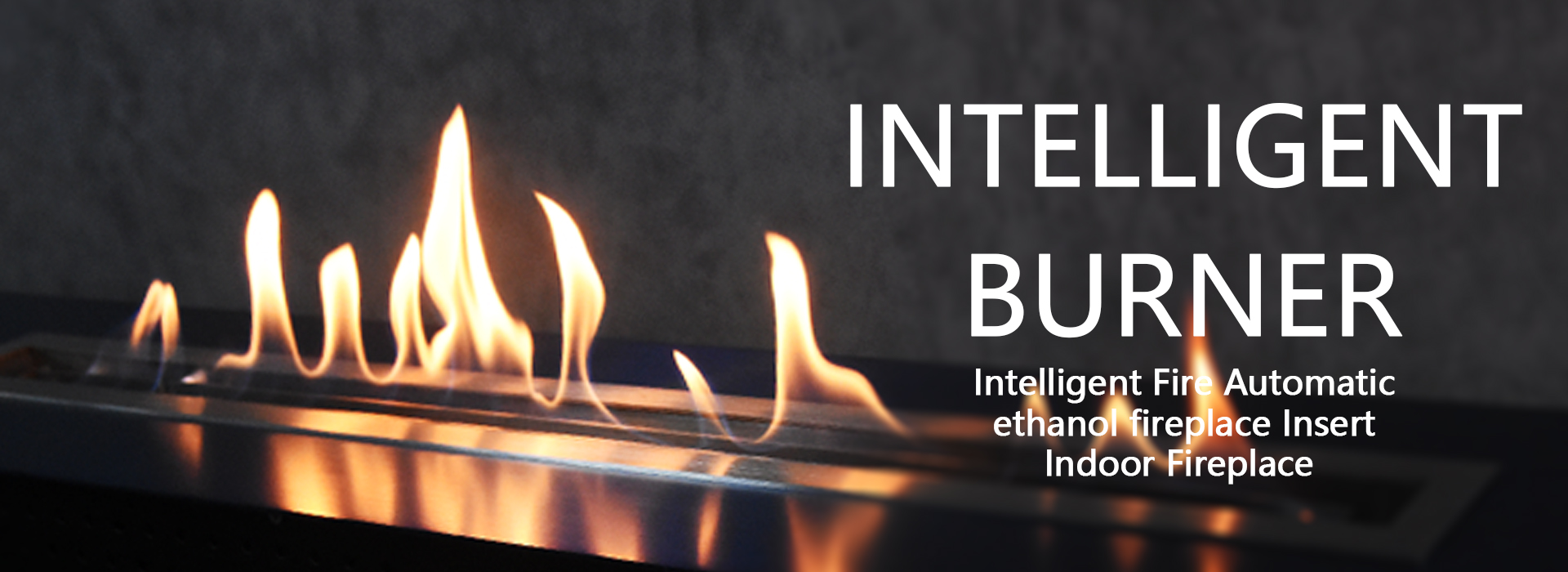
Tá sé níos éasca dóire uathoibríoch a mhúchadh agus a adhaint. Gach bhfuil tú a dhéanamh, Is é cliceáil ar an gcianrialtán, an painéal rialaithe ar an dóire nó trí app. Ligeann roinnt tinte bitheatánóil uathoibríoch freisin méid an lasair a choigeartú agus rialú a dhéanamh ar an méid teasa radaithe.
2. Braiteoirí sábháilteachta
Bónas breise le dóire uathoibríoch, Is é líon na braiteoirí sábháilteachta, nach féidir a fháil i dóire láimhe. D’fhéadfadh go n-áireofaí leis seo braiteoirí a dhéanann monatóireacht ar leibhéil CO2, ag crith, róthéamh, srl. Mar sin múchfar an teallach go huathoibríoch, ar eagla go bpiocann na braiteoirí suas aon chontúirtí.
3. Geilleagar breosla
Is minic go mbíonn geilleagar breosla bitheatánóil níos fearr ag dóirí uathoibríocha, ós rud é nach ndéantar an breosla ach a phumpáil isteach sa dóire, nuair is gá. Ciallaíonn sé seo nach gcuirfear aon bhreosla bitheatánóil amú nuair a bhíonn an teallach á chur air agus as. Ina theannta sin, Ní ghalóidh sé leis féin ach oiread má fhágtar bitheatánól gan dóite sa teallach.
Míbhuntáistí a bhaineann le Dóire Uathoibríoch
1. Daor
Ceann de na míbhuntáistí is mó a bhaineann le dóire uathoibríoch bitheatánóil ná an praghas. Cosnaíonn dóire uathoibríoch bitheatánóil i bhfad níos mó ná a mhacasamhail láimhe. Is é an chúis atá leis seo ná go bhfuil an teicneolaíocht a úsáidtear sna samhlacha uathoibríocha fós sách nua agus níos forbartha. Ciallaíonn sé seo, teastaíonn tuilleadh forbartha agus uaireanta oibre lena tháirgeadh, agus tá na hábhair is gá don déantúsaíocht níos costasaí.
2. Éilíonn cumhacht
Ionas go n-oibreoidh na comhpháirteanna leictreonacha go léir sa dóire, is gá go mbeadh nasc cumhachta gar do shuiteáil an teallach eatánól. Déanann sé seo an tsuiteáil níos lú solúbtha.
Mar sin féin, tá ceallraí feistithe le roinnt dóirí uathoibríocha agus mar sin is gá iad a athluchtú ina ionad.
Foireann teallach Ealaíne Fócas ar Teallaigh Eatánól ar feadh níos mó ná 14 blianta agus tá sé de dhualgas orainn táirgí ardchaighdeáin a thairiscint do gach custaiméir.
Art Fireplace Technology Limited.
CEANNAIREACHT GHAIRMIÚIL Chliste teallaigh
Láithreán gréasáin oifigiúil: https://www.art-fire.com
Fón:0086 13928878187 R-phost:[email protected]
Seoladh:COMHRÉAL/RM 705,7/F,FA YUEN COMM BLDG UIMH. 75, SRÁID FA YUEN,MONG COCK,KLN,HK
Am postála: 2024-04-24


