
An ethanol fireplace is one of the most environment friendly heating systems available in the market today.
Ethanol is a renewable energy source that is derived from corn and compared to wood, it is easier to reproduce. You only need one cropping season to renew to reproduce ethanol while it will take you months or even years to produce wood.
Ethanol fireplaces work just like most types of wood-burning fireplaces.
No ka hooulu ana i ka wela, ethanol fireplaces burn fuel. ʻO ka ʻokoʻa wale nō ma ʻaneʻi, ʻaʻole hana ka ethanol i ka uahi a me ka carbon dioxide e like me ke kapuahi wahie. I ka ʻoiaʻiʻo, ʻO kahi kapuahi ethanol ka nui awelika e hoʻopuka i ka nui o ka carbon dioxide i ʻole pono ʻoe e hoʻokomo i kahi kapuahi a i ʻole ka lua i ka wā e hoʻohana ai i kēia ʻano kapuahi..
Components of an Ethanol Fireplace
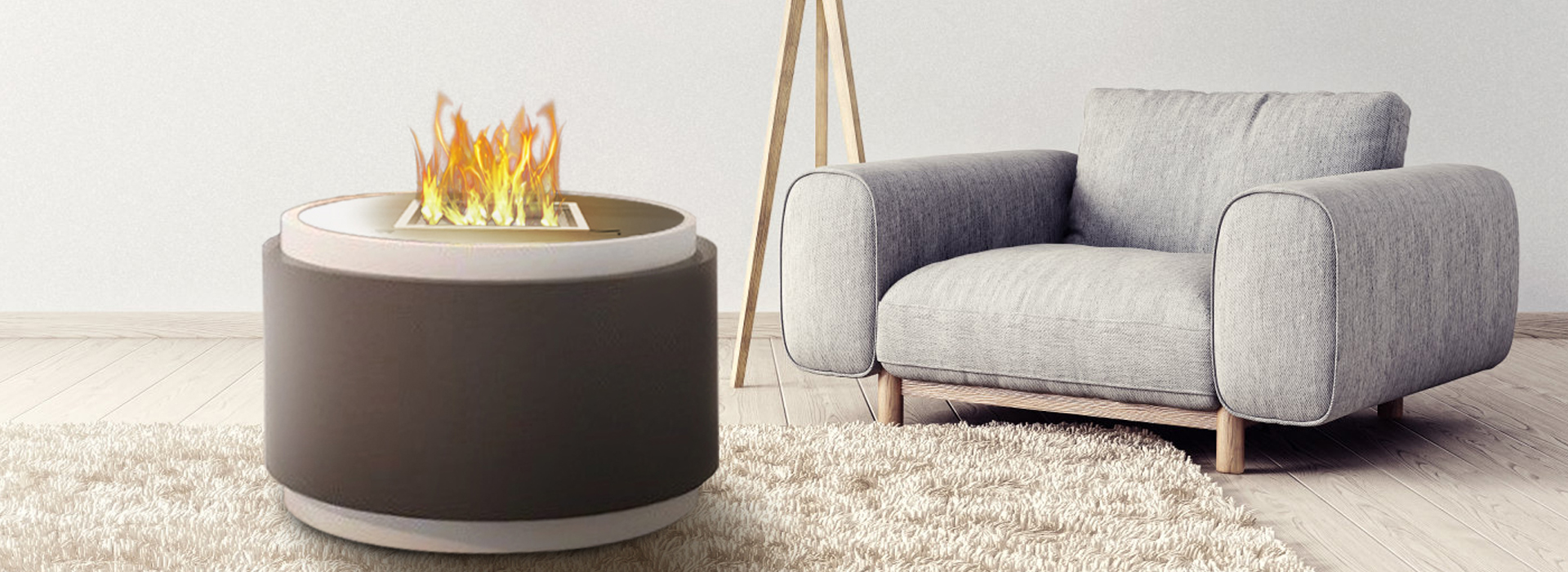
E hana maikaʻi, ethanol fireplaces need to have an enclosure to house the fire source and a fuel tank to hold the ethanol. Ethanol fireplaces can be stationary or portable. Most types of stationary ethanol fireplaces are mounted against the walls while portable ethanol fireplaces look more like small stoves with enclosures to house the fire.
Safety Precautions
ʻO ka Ethanol kahi mea hiki ke puhi ʻia no laila he mea nui e hoʻopaʻa paʻa i ka pahu wahie o ke kapuahi i nā manawa a pau..
ʻO ka ʻokoʻa ma waena o kahi manual a me kahi ahi Bioethanol Automatic;
E kūʻai i kahi kapuahi ʻalekohola, pono ʻoe e hoʻomaopopo i kēia ʻike anuanu!
Ka manawa hoʻouna: 2021-11-29


