
Differences Between Manual Ethanol Fires And Automatic Ethanol Fires
Choosing the perfect bio ethanol fireplace from the wide array of models and burner types available can be quite daunting. Tuy nhiên, Hiểu được sự khác biệt giữa lò sưởi ethanol thủ công và lò sưởi ethanol tự động có thể giúp bạn đưa ra quyết định sáng suốt.
Sự tương phản chính nằm ở cơ chế hoạt động và kiểm soát của chúng. Lò sưởi ethanol sinh học thủ công cần có sự can thiệp thủ công để đổ nhiên liệu, đánh lửa, kiểm soát ngọn lửa, và dập tắt, với người dùng đích thân giám sát quá trình. Mặt khác, lò sưởi ethanol tự động kết hợp điều khiển điện tử, chẳng hạn như bơm nhiên liệu, đánh lửa tự động, cường độ ngọn lửa có thể điều chỉnh và các tùy chọn chữa cháy điện tử, cung cấp sự tiện lợi và bổ sung các tính năng an toàn. Let's delve deeper into their distinctions to help you make the right choice for your needs.
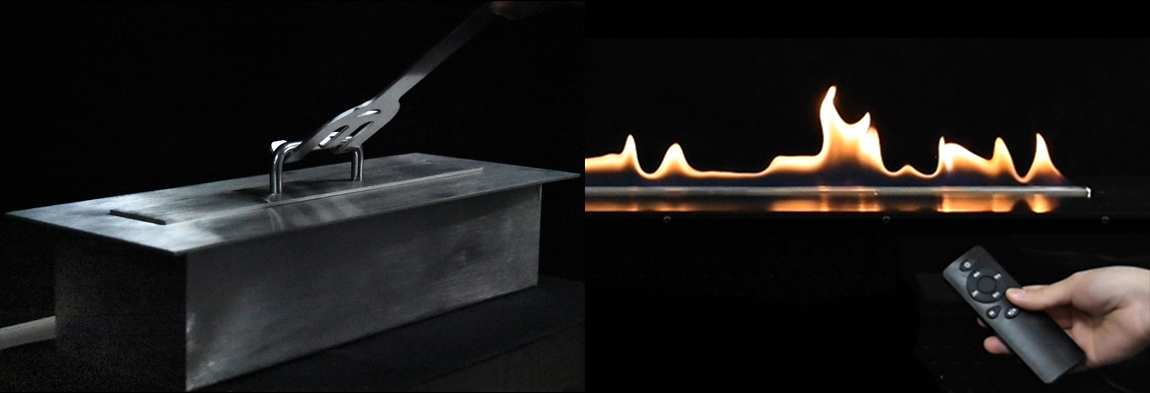
Automatic ethanol burners are a step up from manual ethanol burners. Automatic ethanol burners can be operated with a remote control, control panel or even your smartphone and smart home system. These remote-controlled bio ethanol burners are also safer thanks to many safety sensors overseeing their work.
A manual ethanol fireplace insert is a stainless-steel container that is filled with bio ethanol fuel. To start the fireplace, you need to use a long lighter to ignite the fuel. The point is that you have to adjust the flames manually and extinguishing the fire is done the same way.
Bio ethanol fireplaces first appeared in 2005. Sự ra đời của các đám cháy ethanol sinh học đã giúp có thể đặt lò sưởi ở hầu hết mọi nơi và không cần thông gió., ống khói, Khói, bồ hóng hoặc bảo trì tốn kém. kể từ đó, công nghệ và bảo mật đã phát triển, và ngày nay chúng ta có hai loại đám cháy ethanol sinh học: Manual and Automatic bio ethanol burners.
These two types each have their advantages and disadvantages. Hence, the type of burner you select, depends on what requirements you have for your fireplace, where it will be used, and what your budget is.
Although there are only two types of bio ethanol burners, the products from different manufactures can vary and offer differences in the way their burners work. For this reason, the information you will find in this guide will only be indicative. If you want a more accurate description of each manufacturer's bio fireplace and burners, you should check out the specific product page and read the manual linked on the page.
You can find all of our automatic or manual bio ethanol burners here:
Bioethanol Fires with a Manual Bio ethanol Burner
A manual bio ethanol burner, is a steel container made of stainless steel, which you fill with bioethanol. The burner has an opening, that can be round or long, depending on the shape of the burner. The flame is ignited with a lighter and extinguished by smothering the fire. The manual burner is the most known, and therefore, it is seen in most bioethanol fires, especially in wall mounted and freestanding bioethanol fires.
To increase the safety of manual bioethanol burners, almost all manufacturers had to find a method for how to avoid spilling the bioethanol out of the burner if it should fall or tip over. The most common method is the use of ceramics fibre cotton in the burner. This is designed to absorb the bioethanol fuel, and makes it impossible to spill the bio ethanol fuel out of the burner if it would tip over by accident.
Lợi ích của một Đầu đốt ethanol sinh học bằng tay
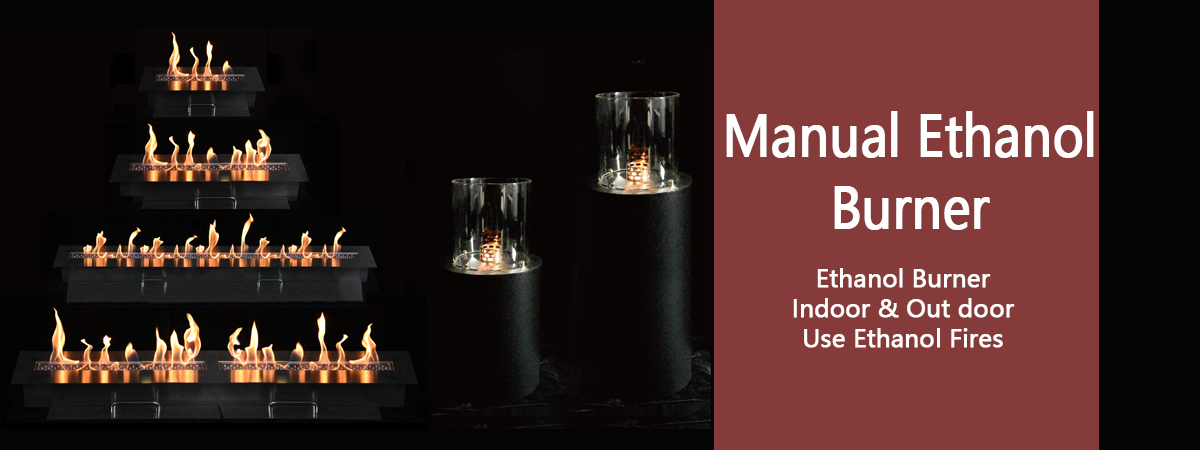
1. Không cần nguồn điện hoặc dây cáp và nó có thể được gắn ở mọi nơi
Manual bio ethanol burners and fireplaces can be installed and placed freely, bởi vì chúng không yêu cầu bất kỳ nguồn điện hoặc kết nối cáp nào khác, nó cũng không cần ống khói, lỗ thông hơi hoặc ống khói. The only factor to consider is which size you want the burner to have.
Tuy nhiên, Bạn, tất nhiên rồi, vẫn cần phải nhận thức được các mối nguy hiểm hỏa hoạn nói chung và khoảng cách an toàn. Bạn có thể đọc về khoảng cách an toàn trong hướng dẫn của chúng tôi về chủ đề này.
2. Manual bio ethanol burners are cheap
Bio ethanol fires have existed for some years, with the manufacturers continuously optimizing the production costs. Hơn nữa, đầu đốt thủ công không yêu cầu bất kỳ công nghệ kỹ thuật số nào, và điều này có nghĩa là giá của lò sưởi sinh học thủ công vào thời điểm này khá thấp.
Disadvantages of a Manual Bio ethanol Fireplace
1. Operated manually
The most obvious disadvantage of the manual bioethanol fireplace is the manual control. It means that you have to get close to the flame for adjusting or switching the burner on and off. Vì thế, a manual bioethanol fire should not be operated by children.
2. Fewer safeguards
Although the manual burners are perfectly safe when you follow the instructions and use common sense, the automatic bio ethanol fires have additional safety sensors that the manual ones do not. These sensors are not available when using a manual biofire.
Bioethanol Fireplace with an Automatic Bioethanol Burner
Automatic bioethanol burners require, just like the manual burners, bioethanol fuel to function. Tuy nhiên, this is the only real similarity between them.
Bio ethanol fires with automatic burners are much more technical. Depending on the selected model and manufacturer, you can control them with a remote control, via a control panel, an app, a home-system or Wi-Fi.
For the automatic burners, the bioethanol is filled into an external fuel tank. From there, it is pumped up into the burner for incineration when it is turned on. With manual burners, you just pour the bioethanol fuel directly into the burner opening.
The automatic burner is often seen in built-in bio ethanol fires and used for new constructions, bigger renovation or interior design.
Benefits of an Automatic Ethanol Burner
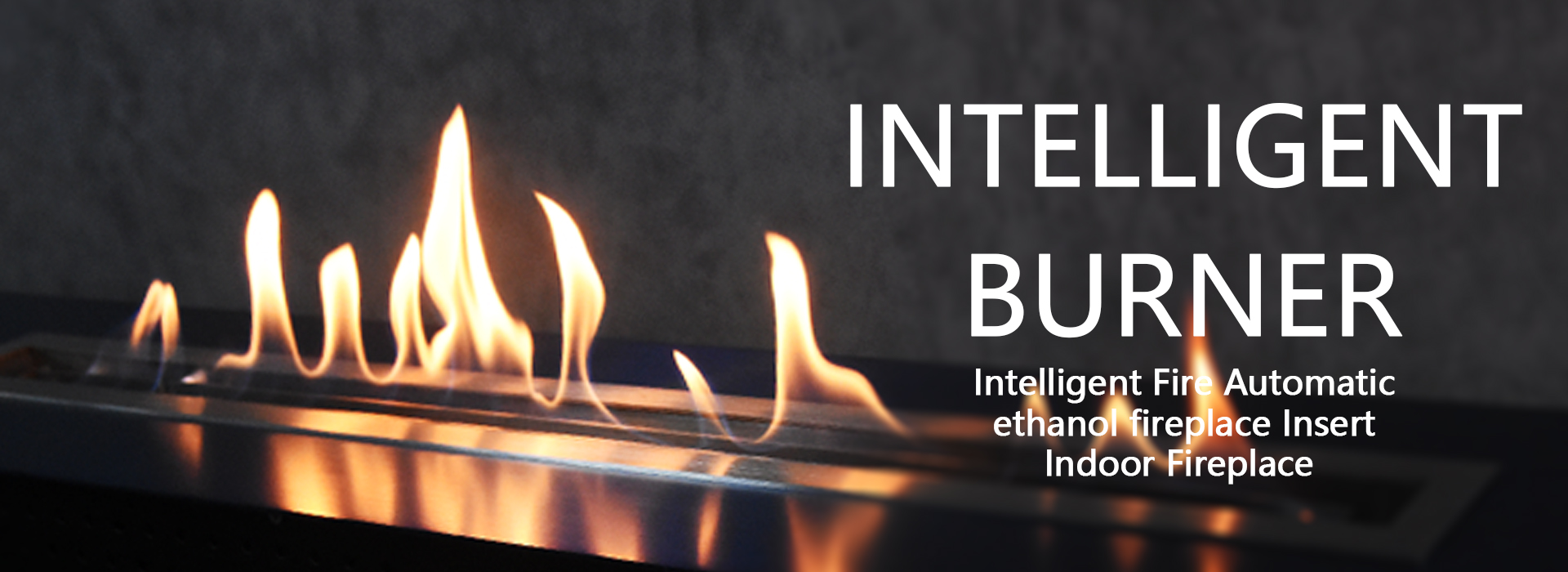
1. Easy to control the flame
It is easier to extinguish and ignite an automatic burner. All you have to do, is click on the remote control, the control panel on the burner or via an app. Some automatic bio ethanol fires also allow adjustment of the flame size and control over the amount of radiated heat.
2. Safety sensors
An extra bonus with an automatic burner, is the number of safety sensors, which are not possible to get in a manual burner. This may include sensors that monitor CO2 levels, shaking, overheating, Vân vân. So the fireplace will be switched off automatically, in case the sensors picks up any dangers.
3. Fuel economy
Automatic burners often have a better bioethanol fuel economy, since the fuel is only pumped into the burner, when it is needed. This means that no bio ethanol fuel will be wasted when the fireplace is being switched on and off. Hơn nữa, it will also not evaporate by itself if unburnt bioethanol is left in the fireplace.
Disadvantages of an Automatic Burner
1. Expensive
One of the biggest disadvantages of an automatic bioethanol burner is the price. An automatic bioethanol burner costs a lot more than its manual counterpart. The reason for this is that the technology used in the automatic models is still relatively new and more advanced. This means, it requires more development and working hours to produce, and the materials needed for the manufacturing are more expensive.
2. Requires power
In order for all the electronic components in the burner to work, it is necessary to have a power connection close to the installation of the ethanol fireplace. This makes the installation less flexible.
Tuy nhiên, some automatic burners are equipped with a battery and therefore require recharging instead.
Art Fireplace Team Focus on Ethanol Fireplaces for more than 14 years and we are obliged to offer high quality products for all customers.
Công Ty TNHH Công Nghệ Lò Sưởi Nghệ Thuật.
PROFESSIONAL INTELLIGENT FIREPLACE LEADER
Official Website: https://www.art-fire.com
Phone:0086 13928878187 E-mail:[email protected]
Địa chỉ:FLAT/RM 705,7/F,FA YUEN COMM BLDG NO.75,FA YUEN STREET,MONG KOK,KLN,HK
thời gian đăng bài: 2024-04-24


